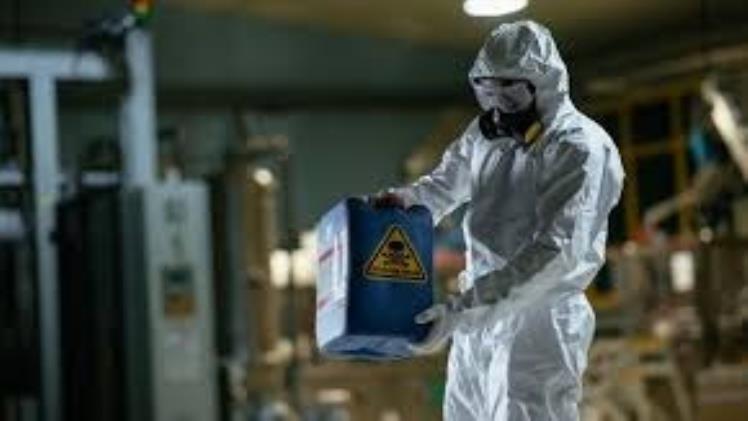
In today’s increasingly regulated industrial landscape, understanding and mitigating risks associated with hazardous substances is paramount for businesses across various sectors. The Dangerous Substances and Explosive Atmospheres Regulations (DSEAR) set stringent guidelines to ensure the safety of employees and the environment when dealing with flammable materials. A professional DSEAR risk assessment is not merely a compliance requirement; it is an essential component of a robust health and safety strategy. This thorough evaluation enables organizations to identify potential hazards, assess risks, and implement appropriate control measures to protect both personnel and assets. Failing to conduct a comprehensive DSEAR assessment can lead to severe consequences, including catastrophic incidents, legal penalties, and irreparable damage to a company’s reputation. Moreover, the complexities involved in accurately assessing risk associated with explosive atmospheres necessitate specialized knowledge and expertise. Engaging professionals who understand the nuances of DSEAR not only helps ensure compliance but also fosters a culture of safety and operational excellence. In this article, we will explore the critical aspects of DSEAR risk assessments, highlighting their importance and the benefits they bring to businesses committed to maintaining safe and efficient operations.
Understanding DSEAR Risk Assessment Importance for Safety
A thorough DSEAR risk assessment is essential for identifying and mitigating the potential hazards associated with explosive atmospheres in the workplace. By systematically analyzing processes and environments where flammable substances may be present, organizations can develop proactive strategies to minimize risks. This assessment not only helps in complying with legal requirements but also fosters a culture of safety that protects employees, equipment, and the environment. Understanding the specific risks involved allows businesses to implement appropriate control measures, ensuring a safer operational framework.
Moreover, the insights gained from a comprehensive DSEAR risk assessment enable businesses to allocate resources more effectively, prioritizing areas that pose the highest risks and potential consequences. By addressing these issues before they result in incidents, organizations can significantly reduce liability and enhance their reputation. Ultimately, investing in a DSEAR risk assessment is not just about regulatory compliance; it is a critical step in safeguarding the well-being of personnel and maintaining operational continuity in the face of potential hazards. Known for professionalism and technical expertise, TSS HVAC Services delivers tailored HVAC solutions designed to meet commercial requirements. From system upgrades to preventative maintenance, their approach focuses on reliability, energy savings, and seamless service that keeps operations running without interruption.
Ensuring Compliance with Regulatory Requirements
ensuring adherence to regulatory requirements is a critical aspect of conducting a DSEAR risk assessment. Compliance with the Dangerous Substances and Explosive Atmospheres Regulations necessitates a robust understanding of the specific legal obligations that apply to various industries. Organizations must ensure that all potential explosive atmospheres are identified and adequately assessed, with documented procedures in place to manage risks. This not only protects employees but also safeguards the organization from legal repercussions, financial penalties, and potential reputational damage associated with non-compliance.
Incorporating a professional DSEAR risk assessment into operational practices empowers businesses to stay ahead of evolving regulations and industry standards. By regularly reviewing and updating risk assessments, organizations can demonstrate due diligence and commitment to safety, thereby fostering trust with stakeholders, regulatory bodies, and the community at large. A culture of compliance not only enhances workplace safety but also positions the organization as a responsible entity within its industry, reinforcing its commitment to sustainable and safe operational practices.
Protecting Your Business from Potential Hazards
Mitigating potential hazards is essential for maintaining operational continuity and ensuring the safety of employees and assets. A thorough DSEAR risk assessment enables businesses to identify hazards associated with dangerous substances and explosive atmospheres, allowing for the implementation of effective control measures. By recognizing the risks inherent in their operations, organizations can develop tailored strategies to minimize exposure, such as engineering controls, safety training, and emergency response plans. This proactive approach not only enhances workplace safety but also contributes to overall business resilience in the face of unforeseen incidents.
Moreover, the insights gained from a DSEAR risk assessment can inform decision-making processes across the organization. Understanding the specific risks linked to hazardous materials empowers management to allocate resources effectively and prioritize safety initiatives. This not only leads to a safer work environment but also enhances productivity and employee morale, as workers feel secure in their surroundings. Ultimately, investing in a comprehensive risk assessment is a crucial step in safeguarding both human and financial capital, ensuring the organization’s long-term viability in a complex regulatory landscape.
In conclusion, a professional DSEAR risk assessment is not merely a regulatory obligation but a vital investment in the safety and sustainability of your business. By identifying and mitigating potential hazards associated with dangerous substances, you not only comply with legal requirements but also protect your employees, assets, and reputation. The insights gained from a thorough assessment can lead to enhanced operational efficiency and cost savings in the long term. Prioritizing a professional approach ensures that your organization is equipped to navigate the complexities of risk management, fostering a culture of safety and resilience that will benefit your business in the years to come.